Why Lithium Batteries Are Increasing on Marine Vessels
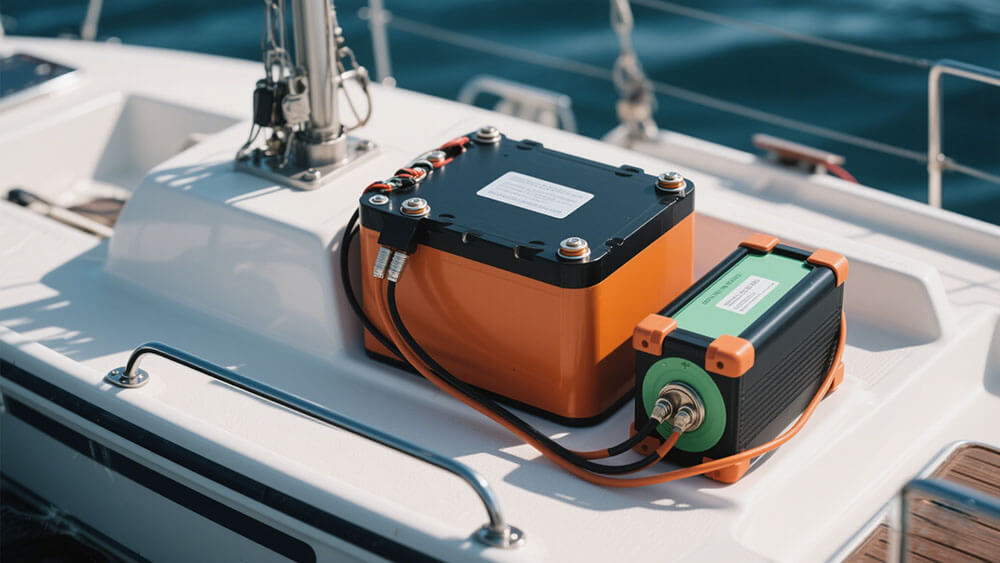 The rise of electrification in marine technology has accelerated lithium battery adoption across recreational and commercial vessels.
Common onboard lithium battery applications include:
- Electric water toys such as seabobs and sea scooters
- Electric propulsion systems and hybrid engines
- E-foil and e-board battery packs
- Navigation and communication equipment
- Emergency backup power systems
- Portable electronics and onboard tools
With more batteries onboard, the probability of overheating incidents and fire hazards increases significantly.
What Makes Lithium Battery Fires So Dangerous at Sea
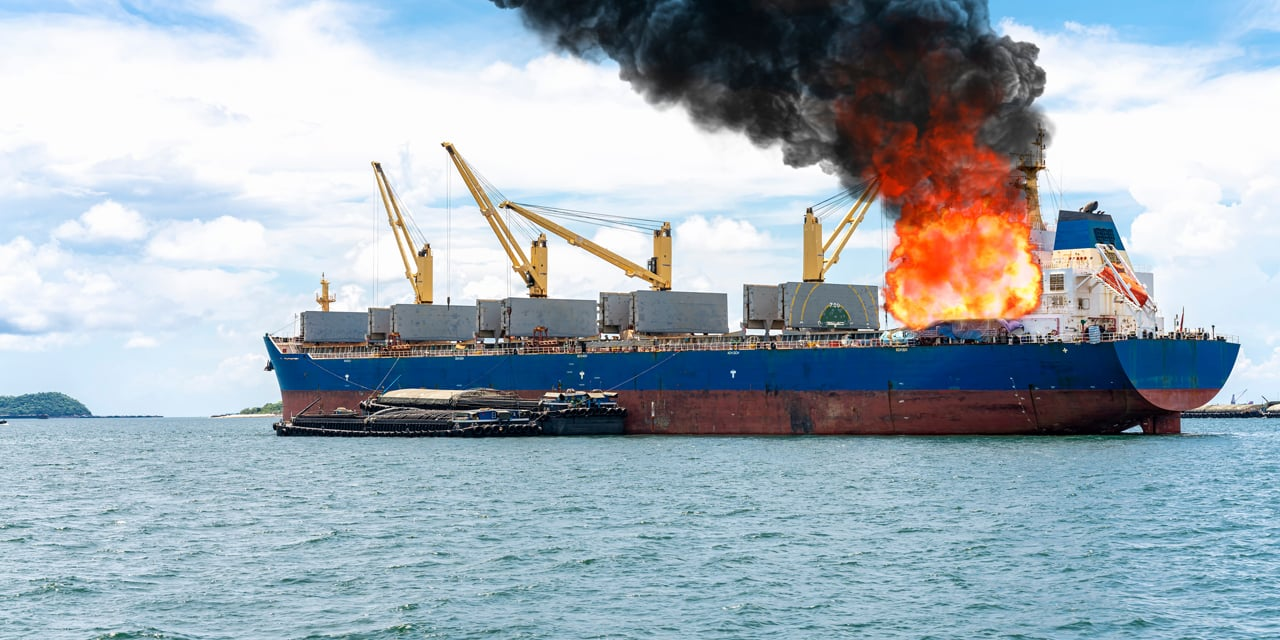
Unlike conventional fuel or electrical fires, lithium battery fires behave differently and are often more difficult to control.
1. Thermal Runaway Chain Reactions
When a lithium battery overheats or becomes damaged, it can enter thermal runaway—an uncontrollable chemical reaction that generates extreme heat, flammable gases, and rapid fire spread.
2. Confined Storage Spaces
Marine vessels typically store batteries in lockers or storage compartments with limited ventilation. This increases pressure buildup, heat concentration, and the potential for explosive ignition.
3. Saltwater and Corrosion Risks
Exposure to moisture, salt, or vibration can degrade battery components, increasing the likelihood of short circuits and failures.
4. Difficult Fire Suppression at Sea
Traditional marine fire extinguishers may not fully stop lithium battery fires. Even after suppression, batteries can reignite hours later due to internal chemical reactions.
Common Causes of Lithium Battery Fires on Boats and Yachts
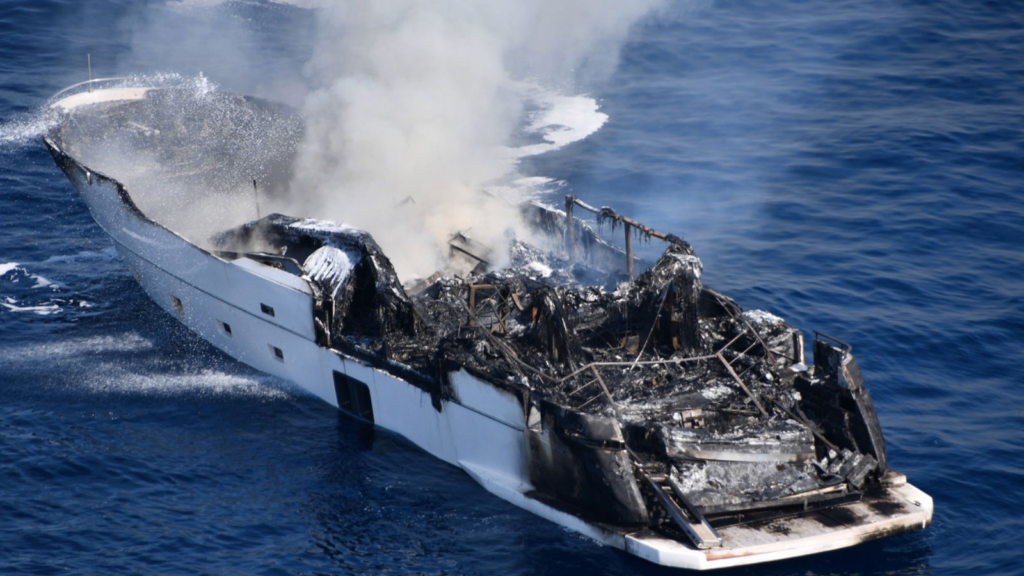 Understanding root causes helps reduce onboard risks.
- Physical damage from drops or impacts
- Overcharging or use of incompatible chargers
- Manufacturing defects or poor battery quality
- Improper storage conditions or overheating environments
- Charging batteries unattended overnight
- Lack of protective containment during transport or storage
Many incidents occur during charging cycles, particularly in enclosed cabins or engine rooms.
Real-World Marine Risk Factors
Marine environments amplify fire hazards due to:
- High ambient temperatures in engine compartments
- Continuous vibration and motion
- Limited escape routes during emergencies
- Flammable materials such as upholstery and fuel systems nearby
- Remote locations where emergency response is delayed
These conditions make prevention and early containment critical.
Safety Measures to Reduce Lithium Battery Fire Risks
Implementing best practices can significantly lower onboard hazards.
1. Use Certified Marine-Grade Batteries
Select batteries with recognized safety certifications and integrated protection systems.
2. Monitor Charging Procedures
- Avoid overnight unattended charging
- Use manufacturer-approved chargers only
- Charge batteries in ventilated areas
3. Inspect and Maintain Batteries Regularly
Look for swelling, unusual heat, corrosion, or physical damage.
4. Store Batteries in Fire-Resistant Containment Solutions
Dedicated lithium battery fire containment storage boxes can:
- Contain flames and heat during thermal runaway
- Reduce spread to surrounding equipment
- Provide an extra layer of onboard protection
5. Train Crew on Lithium Battery Safety
Ensure crew understand early warning signs such as:
- Hissing sounds
- Chemical smells
- Smoke or swelling batteries
Early action can prevent catastrophic incidents.
The Growing Need for Lithium Battery Fire Containment on Vessels
As electric marine equipment continues to expand, onboard lithium battery risks will rise. Fire containment and specialized storage solutions are becoming essential safety upgrades—not optional accessories.
Insurance providers and maritime safety organizations are increasingly recommending protective storage solutions to reduce liability and improve emergency response preparedness.
Conclusion
Lithium battery technology is reshaping the future of marine innovation, but it also introduces new safety challenges. Lithium battery fires on yachts and boats are becoming a growing risk due to increased battery usage, confined storage spaces, and the unique conditions at sea.
By implementing safe charging practices, proper storage, routine inspections, and fire containment solutions, yacht owners and marine operators can significantly reduce the risk of thermal runaway incidents and protect both passengers and vessels.
About Us
We specialize in advanced lithium battery fire containment and safety solutions designed for marine, industrial, and high-risk environments. Our systems are engineered to manage thermal runaway events, reduce fire spread, and enhance onboard safety compliance for yachts and boats worldwide.
With a focus on durability, fire resistance, and intelligent safety design, Lioshield helps marine operators protect their vessels and crews from lithium battery hazards.
Contact Us
Looking to improve lithium battery fire safety on your yacht or marine vessel?
Contact our team today to explore fire-resistant storage solutions and containment systems tailored for marine environments.
Protect your vessel. Protect your crew. Stay prepared.
Contact Us
Lioshield Safety Systems – FZCO
IZFA Business Park – Building A2
Dubai Silicon Oasis Industrial Area
Dubai UAE
+971-0588177560
[email protected]
Copyright 2025