The Growing Need to Safely Contain Lithium Battery Fires on Yachts

Lithium battery fires on yachts can escalate rapidly due to confined spaces and thermal runaway, making safe containment essential.
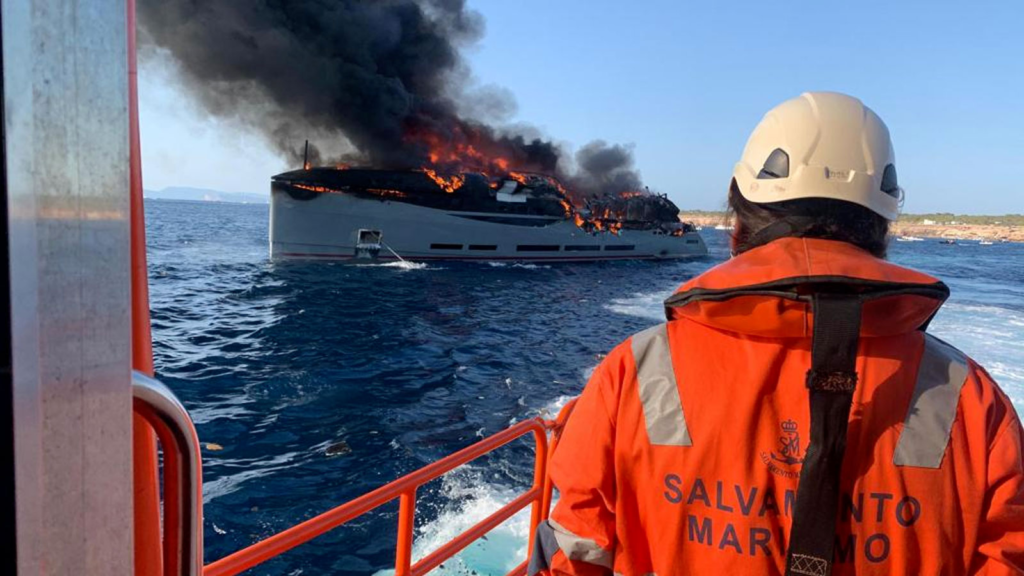
Lithium battery fires on yachts can escalate rapidly due to confined spaces and thermal runaway, making safe containment essential.
Lithium batteries power today’s modern yachts — from propulsion systems and navigation electronics to seabobs, e-foils, and backup power units. While they offer efficiency and high energy density, they also introduce a serious onboard fire risk.
Unlike conventional marine fires, lithium battery fires escalate rapidly due to thermal runaway — a self-sustaining chemical reaction that generates extreme heat, flammable gases, and potential re-ignition. In confined marine environments, this can lead to catastrophic vessel damage.
Understanding how to safely contain lithium battery fires on yachts is now critical for yacht owners, captains, and marine operators.
Why Containment Is More Important Than Extinguishing
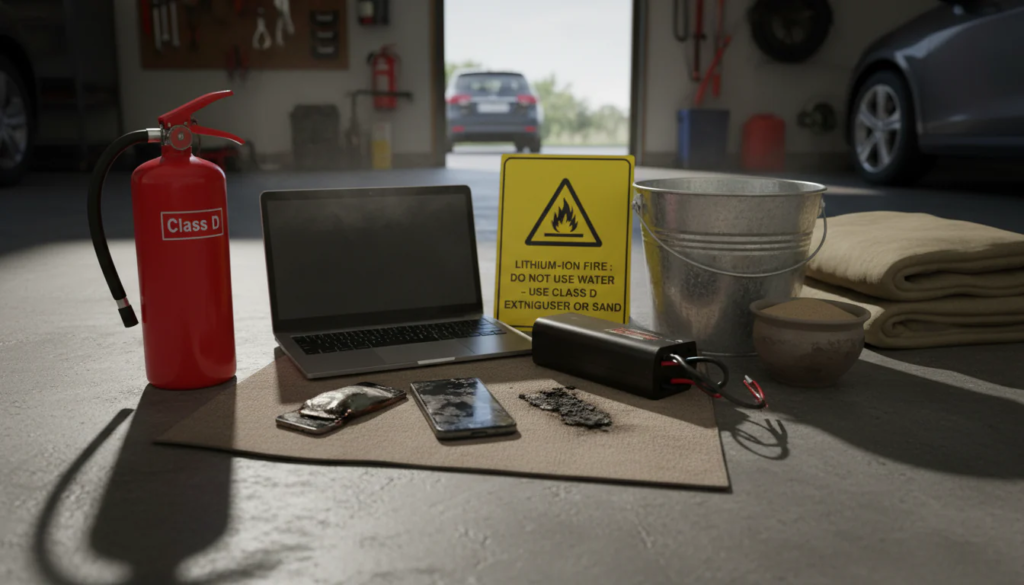 Traditional marine fire suppression systems are not always effective against lithium battery fires. Even after flames are controlled, damaged cells can reignite hours later.
Containment focuses on:
- Isolating the battery from surrounding materials
- Limiting flame spread
- Managing extreme heat
- Preventing secondary fires
- Buying time for emergency response
On a yacht, where evacuation options are limited and response times at sea can be delayed, containment is often the safest strategy.
Where Lithium Battery Fire Risks Originate Onboard
Lithium battery fires on yachts typically originate from:
- Electric water toys (seabobs, sea scooters, e-foils)
- Hybrid or electric propulsion systems
- Portable lithium power stations
- Navigation and communication equipment
- Spare lithium battery packs stored improperly
Most incidents occur during charging cycles or due to physical damage, overheating, or exposure to moisture and salt.
How to Safely Contain Lithium Battery Fires on Yachts
1. Use Fire-Resistant Battery Containment Systems
Specialized lithium battery containment storage solutions are engineered to:
- Withstand extreme temperatures
- Contain flames and sparks
- Reduce oxygen interaction
- Minimize heat transfer
- Prevent fire spread to vessel structures
Storing lithium batteries inside fire-resistant containment systems significantly reduces onboard risk.
2. Create Designated Charging Zones
Charging should never occur in sleeping cabins or near fuel systems.
Best practices include:
- Charging in ventilated areas
- Avoiding overnight unattended charging
- Using manufacturer-approved chargers
- Keeping batteries away from flammable materials
Combining controlled charging with fire-resistant containment adds an additional safety layer.
3. Monitor Battery Health and Temperature
Early warning signs of failure include:
- Excessive heat
- Swelling or deformation
- Smoke or unusual odors
- Hissing sounds
Routine inspections and temperature monitoring systems allow crews to intervene before thermal runaway escalates.
4. Isolate Batteries from Critical Systems
Lithium battery storage should be physically separated from:
- Fuel tanks
- Engine compartments
- Electrical distribution panels
Proper compartmentalization limits damage in case of ignition.
5. Train Crew for Lithium Battery Incidents
Crew members must be trained to:
- Recognize early signs of overheating
- Isolate affected batteries safely
- Implement containment procedures
- Prepare for potential re-ignition
Prepared crews respond faster and reduce escalation risk.
Why Marine Environments Increase Fire Severity
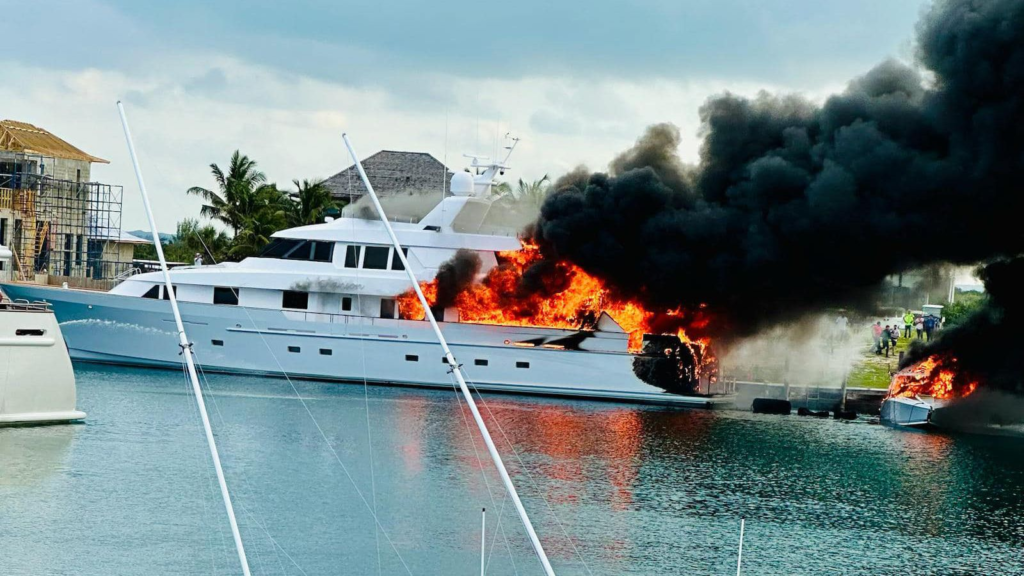
Lithium battery fires are more dangerous at sea because of:
- Confined storage spaces
- Constant vibration and movement
- Saltwater exposure and corrosion
- Delayed emergency response
- Presence of fuel and flammable materials
These factors make prevention and containment essential, not optional.
Why LioShield
LioShield specializes in advanced lithium battery fire containment solutions engineered specifically for high-risk environments, including marine applications.
Our systems are designed to:
- Manage thermal runaway events
- Contain extreme heat and flames
- Reduce fire spread onboard
- Improve marine safety compliance
- Protect vessels, passengers, and crew
With a focus on durability, intelligent design, and fire-resistant engineering, LioShield helps yacht owners proactively manage lithium battery risks instead of reacting to emergencies.
In an industry where safety is non-negotiable, proactive containment is the smartest investment.
Contact Us
Looking to enhance lithium battery fire safety on your yacht?
Our team can help you implement fire-resistant containment and safe storage solutions tailored for marine environments.
Contact us today to discuss how you can safely contain lithium battery fires on yachts and protect your vessel with confidence.